
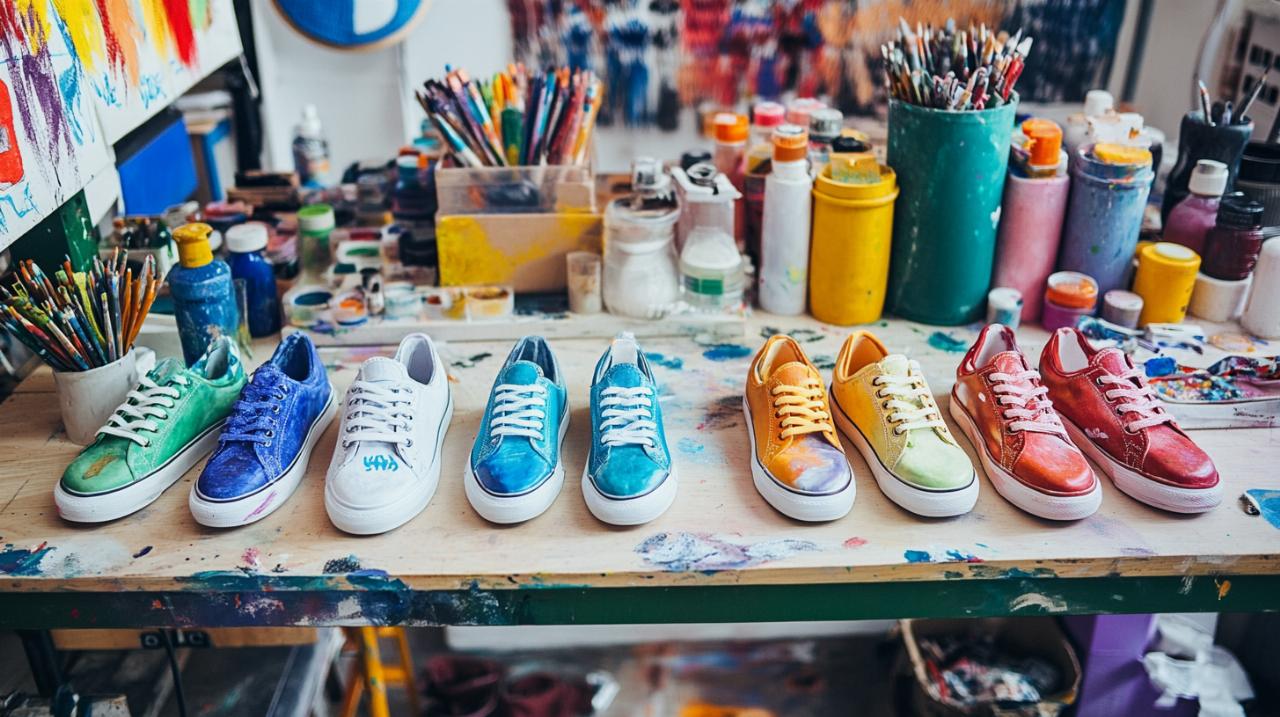
Creating footwear that truly reflects who you are has never been more accessible. Whether you fancy a subtle splash of colour or a full-blown artistic statement, the world of personalised shoes offers endless possibilities for self-expression. This guide will walk you through the process of transforming ordinary footwear into something distinctly yours, covering everything from selecting the right foundation to adding those final flourishes that make your shoes truly one-of-a-kind.
Choosing your base: finding the perfect shoe style
The foundation of any successful customisation project lies in selecting the right starting point. Your choice of base shoe will significantly influence both the creative process and the final result, so it is worth taking time to consider what works best for your vision and lifestyle. Trainers remain the most popular choice for customisation, particularly classic silhouettes like the Nike Air Force 1, Converse Chuck Taylor, and Adidas Stan Smith. These iconic designs offer generous surface areas that serve as blank canvases, making them ideal for those looking to create your own custom shoes tutorial experience from scratch. The simplicity of their designs means that paint, embroidery, or embellishments can be applied without competing with existing patterns or textures.
Trainers, boots, or slip-ons: what’s your vibe?
The type of footwear you choose should align with both your personal style and the intended use of the finished product. High-top trainers provide additional canvas space around the ankle, perfect for more elaborate designs or storytelling through imagery. Meanwhile, low-top styles such as the Vans Old Skool or Puma Suede Classic offer a sleeker profile that suits minimalist approaches or subtle detailing. Canvas shoes stand out as particularly beginner-friendly options, as the fabric readily accepts acrylic paint and allows for techniques like tie-dye or embroidery without requiring specialised products. White sneakers of any style present the ultimate blank slate, enabling you to build colour schemes from the ground up without worrying about underlying hues interfering with your palette. For those drawn to more structured footwear, leather boots open up different creative avenues, though they demand specific preparation and materials to ensure designs adhere properly and withstand wear.
Sizing up materials and construction quality
Beyond aesthetics, the physical properties of your chosen shoe will determine which customisation techniques prove most effective. Canvas materials breathe easily and absorb paint beautifully, making them excellent for hand-painted designs, splatter effects, or detailed brushwork. Leather uppers, whilst requiring more careful preparation, reward the effort with durability and a premium finish that elevates your custom work. Synthetic fabrics offer an affordable middle ground, though they may require adhesion promoters or specific paint formulations to prevent peeling or cracking over time. The construction of the sole matters too, particularly if you plan to wear your creations regularly rather than displaying them as art pieces. Rubber soles provide flexibility and grip, making them practical for everyday wear, whilst EVA foam offers lightweight cushioning that suits athletic or comfort-focused designs. When examining potential base shoes, inspect the stitching quality and overall construction, as well-made footwear will better withstand the stresses of customisation and subsequent wear. Shoes with glued rather than stitched components may separate more easily during intensive modification processes.
Adding your personal touch: design elements and customisation
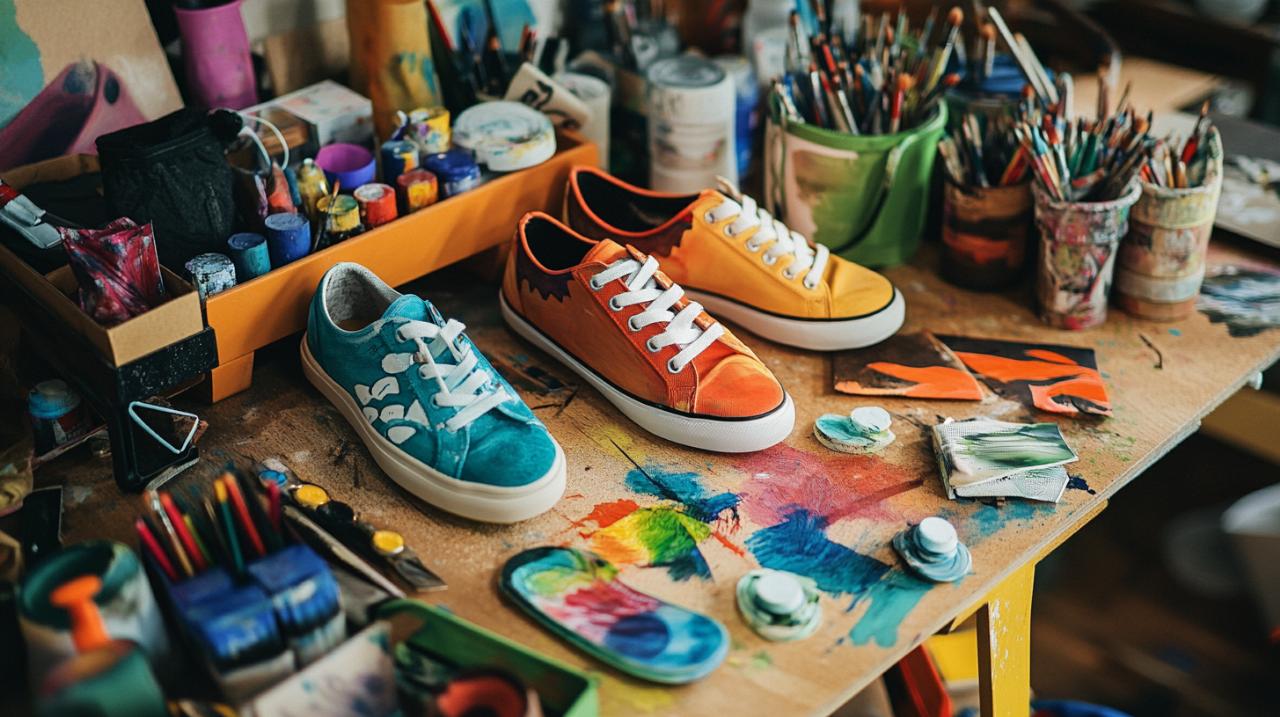
With your foundation selected, the creative possibilities multiply exponentially. This stage transforms standard footwear into a personal statement, limited only by imagination and patience. The customisation process benefits enormously from proper planning, as sketching your design beforehand helps identify potential challenges and ensures you have all necessary materials to hand before beginning work. Drawing inspiration from diverse sources enriches your design vocabulary, whether you look to fashion runways, natural patterns, street art, or social media trends. Consider the overall narrative you wish to convey through your footwear, as cohesive designs typically make stronger visual statements than haphazard collections of elements.
Playing with Colours, Patterns, and Graphics
Colour represents the most immediate and impactful way to personalise footwear, with techniques ranging from simple solid blocks to complex gradients and illustrative scenes. Acrylic paint remains the workhorse of shoe customisation, offering vibrant hues, excellent coverage, and reasonable durability when properly sealed. Before applying any colour, thorough surface preparation proves essential for longevity. Cleaning the shoe surface with acetone removes factory finishes and oils that would prevent paint adhesion, whilst light sanding with fine sandpaper creates texture that helps coatings grip. Protective tape safeguards areas you wish to keep pristine, such as soles or specific panels, allowing you to work freely without worrying about stray brushstrokes. Galaxy print designs have surged in popularity, achieved by blending blues, purples, and blacks with sponge techniques before spattering white paint to simulate stars. Hydro dipping offers an entirely different approach, suspending spray paint on water before dipping the shoe to create organic, unpredictable patterns that resemble marble or abstract expressionism. For those seeking shimmer and glamour, glitter transformations involve coating surfaces with adhesive before liberally applying glitter in chosen shades, followed by multiple layers of sealant to prevent shedding. Painted mandala designs bring meditative geometry to light-coloured shoes, with intricate patterns radiating from central points on side panels or toe boxes. These detailed works demand steady hands and fine brushes but reward patience with striking results. The airbrush technique enables smooth colour transitions and photorealistic effects impossible to achieve with traditional brushwork, though it requires investment in equipment and practice to master. Stencils bridge the gap between freehand and mechanical precision, allowing you to incorporate logos, text, or repeating patterns with crisp edges and consistent results. Regardless of technique, building colour through multiple thin layers rather than single thick applications prevents cracking and ensures even coverage. Allowing each coat to dry completely before adding the next tests patience but prevents smudging and ensures proper adhesion between layers. Most successful customisation projects involve three to six paint layers, depending on the opacity desired and the base material being covered.
Selecting embellishments and finishing details
Whilst paint dominates many customisation projects, three-dimensional elements add tactile interest and catch light in ways flat designs cannot. Embroidery brings texture and permanence to canvas shoes, with designs ranging from subtle monograms to elaborate scenes stitched across multiple panels. Patches and pins offer instant personality without requiring artistic skill, as collections of enamel pins or fabric patches can be arranged to reflect interests, fandoms, or aesthetic preferences. These removable elements also provide flexibility, allowing you to refresh the look of your shoes by swapping components as your mood or style evolves. Studded and spiked designs inject edge and attitude, with metal hardware applied along seams, across toe caps, or in geometric patterns. These embellishments require careful placement to avoid discomfort during wear, particularly avoiding areas that flex significantly or contact the ground. Chrome and metallic finishes transform shoes into futuristic statements, achieved through metallic paints or chrome spray applications that create mirror-like surfaces. These eye-catching finishes demand especially careful surface preparation, as any imperfection becomes magnified by the reflective quality. Three-dimensional fabric paint enables you to create raised designs directly on the shoe surface, adding depth to florals, text, or abstract patterns that stand proud from the base material. Tie-dye techniques adapted for footwear involve binding white canvas shoes with rubber bands before applying fabric dyes in chosen colours, creating the organic colour bleeds associated with this retro aesthetic. For subtle sophistication, consider adding custom laces in unexpected materials such as leather, satin, or reflective cord, or replacing standard eyelets with coloured or oversized versions that become design features rather than functional necessities. Each embellishment should be secured with appropriate adhesives or stitching to ensure it withstands wear, as nothing undermines a beautiful custom design faster than components falling off during use. Once your creative vision stands complete, protecting it becomes paramount. Applying multiple coats of protective sealant specifically formulated for flexible materials shields paint from scuffs, moisture, and UV fading whilst maintaining the natural flex of the shoe. These sealants require several hours to cure fully, so resist the temptation to wear your creations immediately, allowing them to set properly ensures your hard work endures. Proper care extends the life of customised footwear considerably, starting with avoiding extreme weather whenever possible, as heavy rain or snow can compromise even well-sealed designs. If your shoes do get wet, pat them dry with a soft cloth and allow them to air dry away from direct heat sources, as radiators or hair dryers can cause materials to warp or adhesives to fail. Regular gentle cleaning with a damp cloth and mild soap maintains appearance without harsh chemicals that might degrade decorative elements. Storage matters too, with cool, dry locations away from direct sunlight preventing colour fading and material degradation. Keeping custom shoes in their original boxes or dedicated containers, stuffed with paper to maintain shape, ensures they remain pristine between wears. Touch up any chips or wear spots promptly to prevent damage from spreading, and check embellishments periodically to ensure they remain securely attached. With these practices, your personalised footwear will continue turning heads and sparking conversations for seasons to come, standing as wearable proof of your creativity and individual style.