
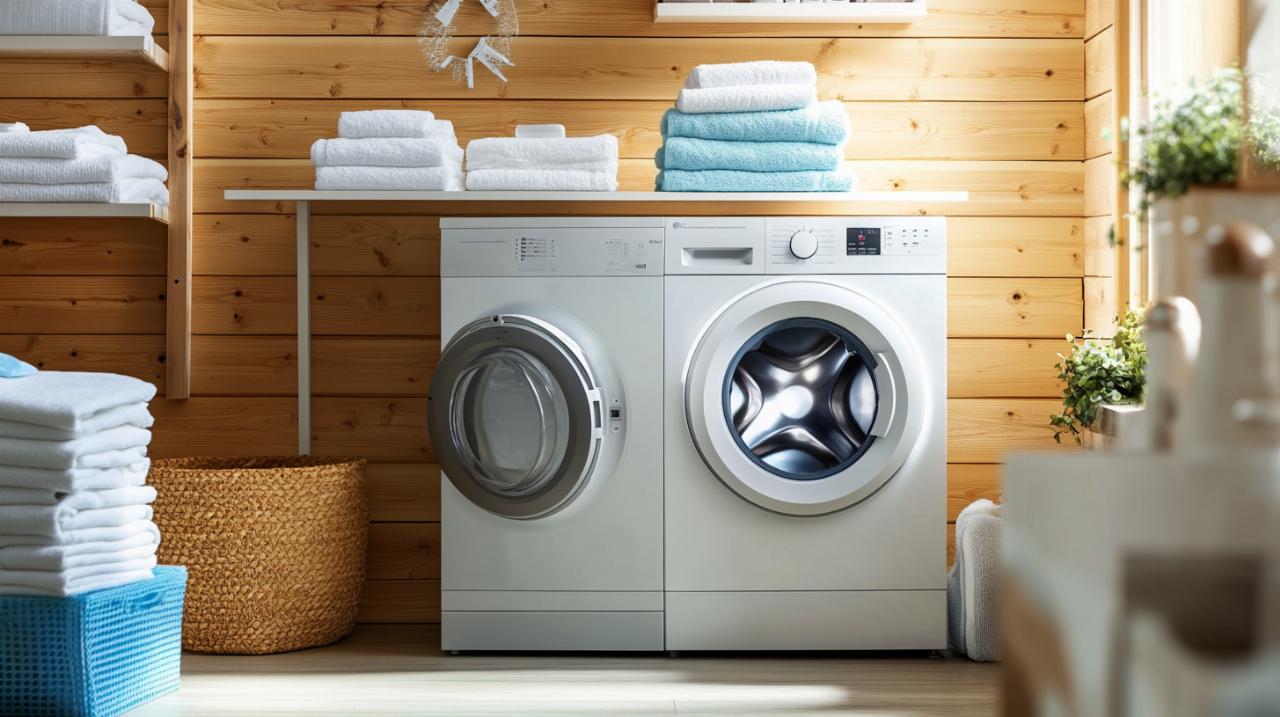
Transforming a compact laundry space into a functional area often requires a bit of creativity and careful planning. One popular solution is to position your tumble dryer above your washing machine, creating a vertical arrangement that frees up valuable floor space. This approach is particularly beneficial in smaller homes where every square metre counts. However, simply placing one appliance on top of the other is not advisable. To achieve a safe and efficient setup, understanding the essentials of stacking washing machine and tumble dryer units is crucial, along with using the right equipment and following proper installation techniques.
Checking compatibility and preparing your appliances
Verifying your machines are suitable for stacking
Before embarking on any stacking project, the first step is to determine whether your washing machine and tumble dryer are actually compatible for this configuration. Not every appliance is designed to be stacked, and attempting to do so with unsuitable models can lead to instability and potential damage. Standard models typically measure around 60cm in width and 85cm in height each, which means that when stacked, the combined height will reach at least 170cm. This is an important consideration for spaces with low ceilings or confined laundry areas. Additionally, both appliances together will occupy approximately 0.6 cubic metres, so you must account for this footprint along with extra space for cords, ventilation, and heat dissipation. Generally, you should allow an additional 50mm to 80mm on each side to ensure proper airflow and access for maintenance. The weight of a clothes dryer can range from 45 to 60 kilograms depending on its size and type, which further underscores the need for a robust support system.
Understanding the Importance of Proper Stacking Kits
Using a dedicated stacking kit is not merely a recommendation; it is a fundamental safety requirement. These kits are specifically engineered to distribute the weight of the dryer evenly across the top of the washing machine, preventing excessive wobbling and movement during operation. A proper stacking kit absorbs vibrations generated during the spin cycle and drying processes, which helps to maintain stability and reduces noise. Without such a kit, you risk the dryer shifting or even toppling, which could result in costly repairs and pose a significant safety hazard. Some advanced kits come with additional features such as pull-out shelves, which provide convenient storage for detergents and other cleaning supplies, making the most of your vertical space. When it comes to choosing a kit, you have the option of universal models that fit most makes and models, or brand-specific kits designed to integrate seamlessly with particular appliance brands. Universal kits tend to be more affordable and are a practical choice if you have machines from different manufacturers. On the other hand, brand-specific kits offer a perfect fit and a more polished appearance, blending in harmoniously with your appliances. Regardless of which type you select, ensure that the kit matches your machines’ dimensions, particularly the depth, which for most universal kits ranges from 47cm to 62cm. Additionally, verify the weight capacity of any pull-out shelf, which is typically around 12kg, and opt for a kit constructed from durable metal or plastic that can support the weight without bending or warping over time.
Proper Installation Techniques for a Secure Stack
Correct positioning: why the washing machine goes below
The washing machine must always be positioned at the bottom of the stack. This is due to its greater weight, which comes from the substantial water it holds during cycles. Placing the heavier appliance at the base ensures a lower centre of gravity, which is essential for maintaining overall stability. The dryer, being lighter and generating less force during operation, is better suited to sit on top. This configuration also makes loading and unloading the dryer easier, as it is positioned at a more ergonomic height, reducing strain on your back. When setting up your stack, it is vital to ensure that the washing machine is perfectly level. Even a slight tilt can cause the entire structure to become unstable, especially during the high-speed spin cycle. Use a spirit level to check the machine from front to back and side to side, then adjust the feet accordingly until it is completely steady. This step is often overlooked, but it is critical for preventing vibrations and ensuring that both appliances operate efficiently.
Ensuring your floor is level and stable
The surface on which your stacked appliances sit plays a significant role in their stability. Before you begin installation, inspect the floor carefully to confirm that it is level and capable of supporting the combined weight of both machines. An uneven floor can cause the stack to wobble, which not only creates noise but also increases the risk of the dryer shifting out of place. If your floor is not level, you may need to make adjustments, such as using shims or adjusting the washing machine’s feet to compensate for the unevenness. It is also important to leave adequate space around the machines for ventilation and maintenance access. A few centimetres on each side should suffice to allow heat to escape and to provide room for any necessary adjustments or repairs. Proper ventilation is particularly important for the tumble dryer, as it needs to expel hot air efficiently to function correctly and to prevent overheating. Neglecting this aspect can lead to reduced performance and even pose a fire risk, so always ensure that your appliances have sufficient clearance.
Fitting your stacking kit correctly
Following manufacturer instructions precisely
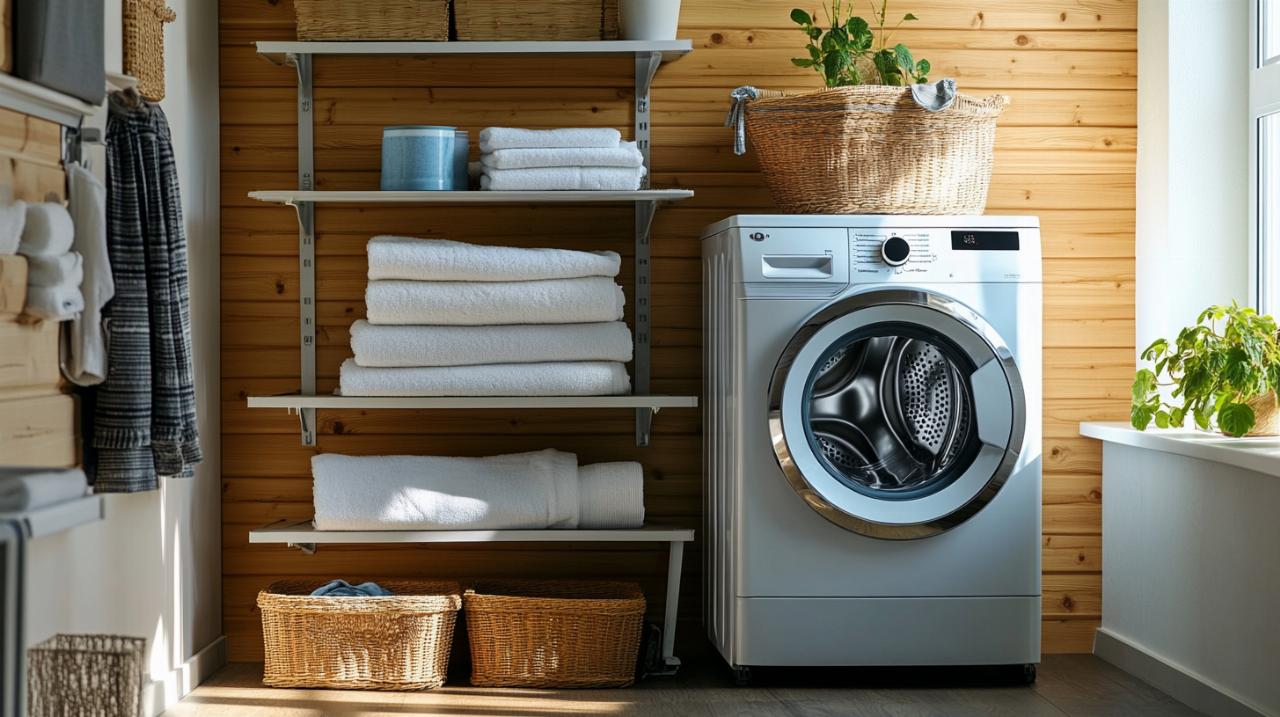
Once you have confirmed that your machines are compatible and your floor is level, the next step is to fit the stacking kit according to the manufacturer’s instructions. These instructions are designed to ensure that the kit is installed correctly and securely, so it is essential to follow them to the letter. Typically, the kit will attach to the top of the washing machine using screws or specialised brackets. Take care to tighten all fixings properly, as loose connections can lead to instability and increased vibrations. Some kits may also include non-slip pads or surfaces to prevent the dryer from sliding about once it is in place. It is highly advisable to have someone assist you when lifting the dryer onto the support, as these appliances can be quite heavy and awkward to manoeuvre on your own. Once the dryer is positioned, ensure that it is centred and stable on the stacking kit. Many kits come with additional straps or bands that secure the dryer to the washing machine, and it is crucial not to skip this step. These restraints provide an extra layer of security, particularly during operation when vibrations are at their peak. After installation, give the entire setup a thorough inspection to confirm that everything is firmly in place and that there are no loose parts or gaps.
Common mistakes to avoid during installation
Even with the best intentions, it is easy to make mistakes during the installation process that can compromise the safety and efficiency of your stacked appliances. One of the most common errors is failing to tighten the fixings adequately. Over time, vibrations can cause screws and brackets to loosen, so it is important to ensure that everything is secured tightly from the outset. Another frequent mistake is neglecting to check the levelness of the washing machine before placing the dryer on top. As mentioned earlier, even a minor tilt can have significant consequences for stability. Some people also underestimate the importance of leaving sufficient space around the appliances for ventilation and maintenance. Cramming the stack into a tight space may seem like a space-saving solution, but it can lead to overheating and reduced performance. Additionally, using an inappropriate or low-quality stacking kit is a false economy. While it may be tempting to opt for the cheapest option available, investing in a sturdy, well-designed kit will save you money and hassle in the long run by preventing accidents and extending the lifespan of your appliances. Finally, do not overlook the need to secure the dryer with any additional straps or bands provided with the kit. These are not optional extras; they are essential components that help to keep the dryer in place and prevent it from toppling during operation.
Safe operating practices for stacked appliances
Loading your machines sensibly to prevent vibrations
The way you load your washing machine and tumble dryer has a direct impact on the stability of your stacked setup. Overloading the washing machine is a common cause of excessive vibrations, which can make the entire stack wobble and increase the risk of the dryer shifting or falling. To avoid this, always adhere to the manufacturer’s recommended load capacity and resist the temptation to cram in extra items. It is also important to distribute the clothes evenly within the drum before starting a cycle. An unbalanced load can cause the machine to shake violently during the spin cycle, which not only creates noise but also places undue stress on the stacking kit and the appliances themselves. Similarly, do not overfill the tumble dryer. Overloading can reduce its efficiency and cause it to work harder, which generates more heat and vibrations. Using the appropriate settings for the type of clothes you are washing and drying is another key factor in maintaining stability. Gentler cycles produce less shaking and are less likely to disrupt the stack. By taking these simple precautions, you can ensure that stacking washer and dryer safely remains a practical and effective solution for your laundry needs.
Regular maintenance checks to maintain stability
Once your appliances are stacked and in use, it is essential to carry out regular maintenance checks to ensure that everything remains secure and functions correctly. Every three to six months, inspect the fixings on the stacking kit to confirm that they are still tight. Vibrations over time can cause screws and brackets to loosen, so retightening them as needed is a straightforward way to maintain stability. It is also a good idea to check the washing machine’s feet periodically to ensure that they remain properly adjusted and that the machine is still level. If you notice any wobbling or unusual movement, address it immediately by readjusting the feet or inspecting the stacking kit for signs of wear or damage. Keeping the filters and drains of both appliances clean is another important aspect of maintenance. Blocked filters can reduce efficiency and cause the machines to work harder, which can lead to increased vibrations and potential instability. Regularly cleaning these components not only helps to keep your appliances running smoothly but also contributes to the overall safety and longevity of your stacked setup. By staying on top of these routine checks, you can enjoy the space-saving benefits of a stacked washer and dryer arrangement while minimising the risk of problems down the line.