
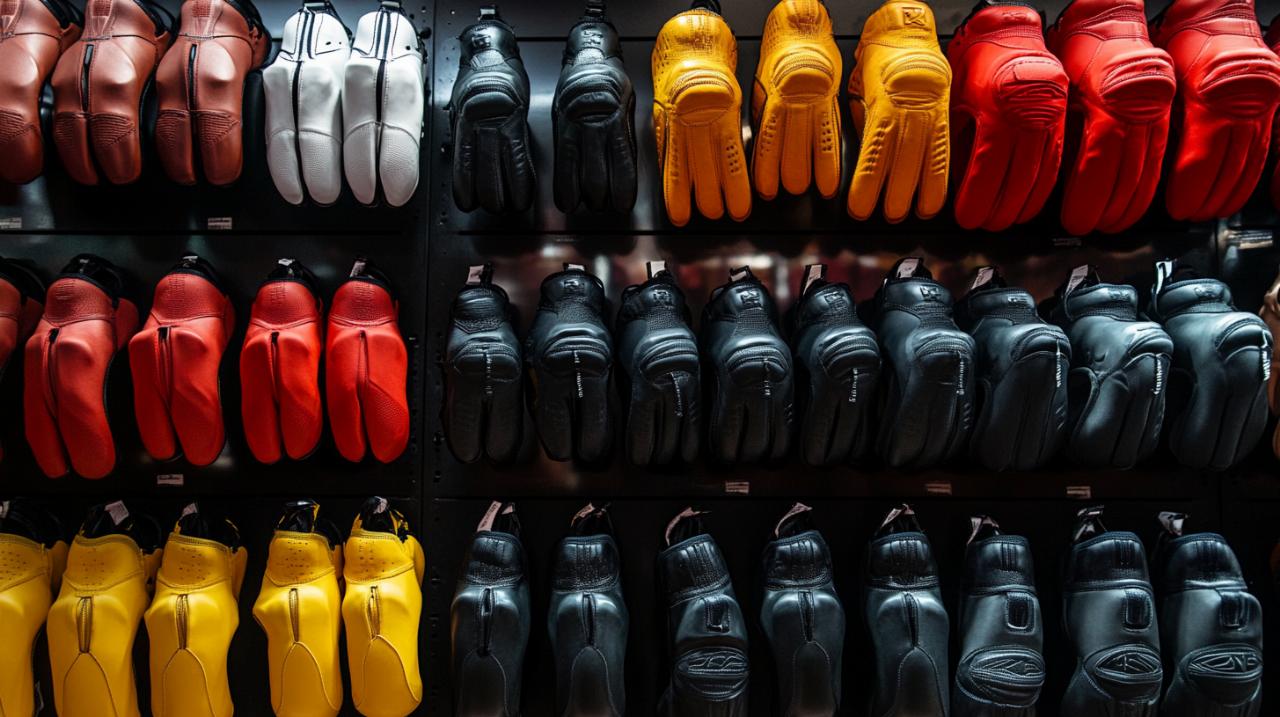
Selecting the right weightlifting gloves can transform your training experience, whether you are lifting heavy in the gym or engaging in functional fitness sessions. The perfect pair offers protection, enhances grip, and supports your wrists, all whilst fitting comfortably enough to feel like a natural extension of your hands. With a wide variety of materials, padding types, and designs available, understanding what suits your specific needs is essential for making an informed choice.
Understanding your training requirements and material choices
Identifying your lifting style and protection needs
Before you invest in a pair of weightlifting gloves, it is crucial to consider the type of training you undertake most frequently. General fitness enthusiasts who perform a mixture of exercises may require a versatile glove that balances protection with flexibility. If you focus on powerlifting or Olympic weightlifting, you will need gloves that offer robust support and durability to withstand the demands of heavy lifts such as deadlifts and snatches. CrossFit athletes, on the other hand, benefit from gloves designed to endure intense functional training, providing both protection and the flexibility needed for varied movements.
Your lifting style also determines the level of grip enhancement and blister prevention you need. Those who frequently perform pull-ups, rowing, or cycling alongside their weight training sessions may find that breathability and sweat absorption become more important factors. Understanding whether you prioritise wrist support, injury prevention, or simply keeping your hands free from calluses will guide you towards the best weightlifting glove option tailored to your routine. It is worth noting that different brands and models cater to specific demands, so identifying your primary goals early on will save you time and ensure a more satisfying purchase.
Comparing leather versus synthetic materials for optimal performance
When it comes to materials, weightlifting gloves typically fall into two main categories: leather and synthetic. Leather gloves are renowned for their durability and ability to mould to the contours of your hand over time, creating a personalised fit that enhances grip strength. They are particularly favoured by experienced lifters who appreciate the robust construction and long lifespan that quality leather offers. However, leather requires more careful maintenance, including special cleaning methods and protection from extreme temperatures, to preserve its integrity and prevent cracking.
Synthetic materials such as neoprene, microfibre, and polyurethane present an appealing alternative, especially for those seeking easier care and improved breathability. Neoprene is flexible and provides a snug fit, making it ideal for dynamic movements, while microfibre strikes a balance between durability and ventilation, ensuring your hands remain cool during intense sessions. Polyurethane, often found in budget-friendly gloves, delivers reasonable performance for beginners or casual gym-goers, though it may not offer the same longevity as premium materials. Synthetic gloves are generally machine washable and air-dry quickly, which adds convenience to your gym hygiene routine. Weighing the pros and cons of each material against your training frequency and personal preferences will help you select gloves that meet both your performance and maintenance expectations.
Finding the Perfect Fit: Padding, Support and Comfort Considerations
Striking the Right Balance Between Padding and Bar Feel
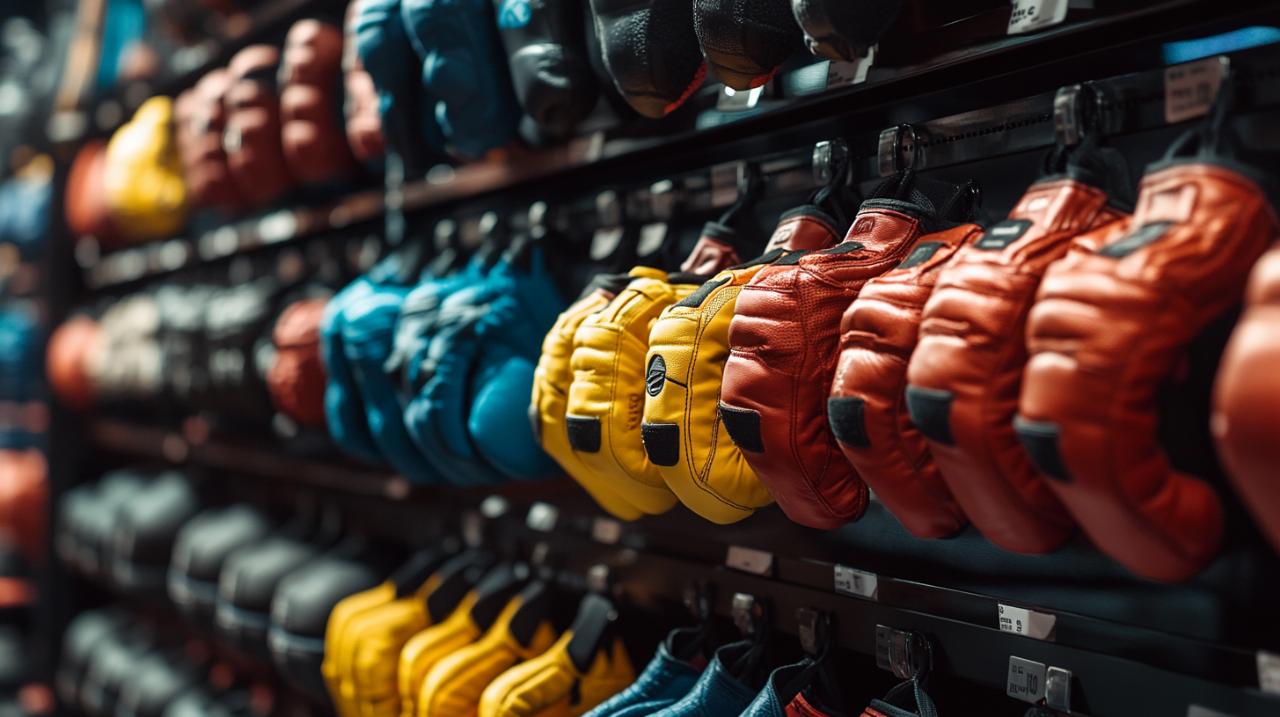
Padding is a critical feature in weightlifting gloves, but more is not always better. Excessive padding can diminish your sense of contact with the bar, which may compromise your lifting technique and overall workout performance. Gel padding is a popular choice for those who engage in exercises such as pull-ups, as it absorbs impact and distributes pressure evenly across your palms, reducing the strain on sensitive areas. This type of padding is particularly effective at preventing blisters and calluses, making it a solid option for lifters who train frequently or for extended periods.
Foam padding, on the other hand, offers a lighter and more affordable alternative that works well for general gym use. It provides adequate protection for most lifting activities, although it may flatten over time and require replacement sooner than gel-padded gloves. Finding the sweet spot between sufficient cushioning and maintaining a natural bar feel is essential for maximising both comfort and control during your lifts. Consider the types of exercises you perform most often and whether you prioritise protection or tactile feedback when deciding on the level of padding that suits your training needs.
Ensuring Proper Fit and Wrist Support for Safe Training
A proper fit is paramount when choosing weightlifting gloves, as gloves that are too tight can restrict movement and cause discomfort, while those that are too loose may slip during lifts and compromise your grip. To find the right size, measure the circumference of your hand and finger length, and consult sizing charts provided by manufacturers. When trying on gloves, ensure you can wiggle your fingers freely and comfortably clench your fist without feeling constricted. Fingerless gloves are favoured by many lifters because they enhance finger dexterity and improve ventilation, allowing for better touch and breathability during workouts.
Wrist support is another important consideration, especially for those lifting heavy weights or recovering from previous wrist injuries. Many weightlifting gloves feature integrated wrist straps that stabilise your wrists and distribute weight more evenly, reducing stress on your forearms and helping to prevent injury. Velcro straps are quick and easy to adjust, providing a secure fit that can be tailored to your comfort level, while buckles offer even greater security for more demanding lifts. Some models also incorporate wrist wraps for additional support, which can be particularly beneficial during exercises such as heavy deadlifts or overhead presses. Ensuring that your gloves fit snugly and offer the right level of wrist stabilisation will not only enhance your workout performance but also contribute to safer and more effective training sessions over the long term.