
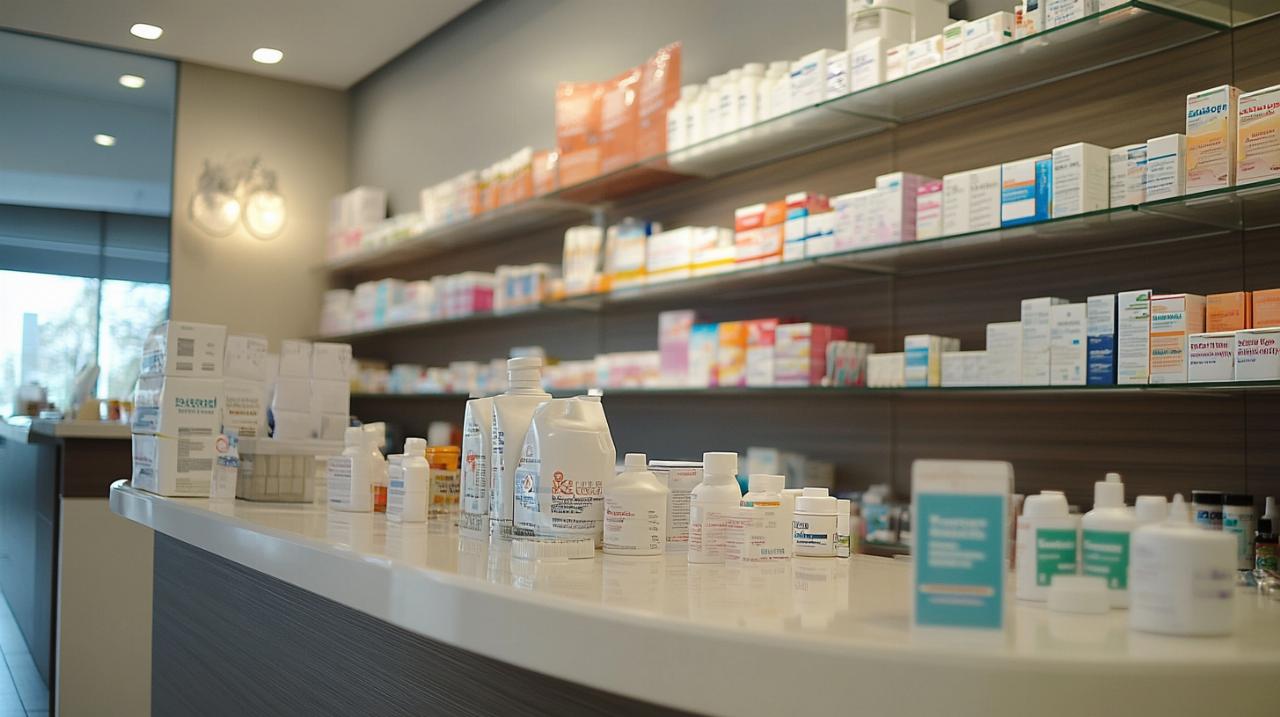
A sudden dental mishap can strike at the most inconvenient time, leaving you scrambling for relief when your dentist’s surgery is closed for the weekend or bank holiday. Whether it is a lost filling that has left your tooth exposed or a chipped edge causing discomfort, the search for immediate help often leads people to their local chemist. Fortunately, pharmacies across the United Kingdom stock a variety of temporary dental repair products designed to offer swift, short-term relief until you can secure a proper appointment with a qualified dental professional. These over-the-counter solutions are not meant to replace the expertise of a dentist, but they can serve as a valuable stopgap measure during emergencies.
Understanding temporary dental fillings from your local chemist
Walking into a pharmacy in search of a dental filling option for quick relief might feel unusual, yet these products have become a familiar sight on the shelves of many high street chemists. Temporary dental filling kits are designed to provide a short-term remedy for minor dental troubles, such as a filling that has popped out or a small cavity causing sensitivity. The materials inside these kits typically harden upon contact with moisture in your mouth, forming a protective barrier over the affected area. This barrier helps shield the exposed nerve, reduce discomfort, and prevent further damage to the tooth structure. While these kits can offer immediate comfort, it is crucial to understand that they are merely a temporary bodge-up rather than a lasting solution.
What are over-the-counter dental filling materials?
Over-the-counter dental filling materials are specially formulated compounds that mimic the properties of professional dental cements used by dentists. These products are sold in small jars or tubes and usually contain a putty-like substance that can be moulded to fit the cavity or damaged area of a tooth. Some of these materials require mixing with water before application, while others are ready to use straight from the container. Once applied, the material hardens as it interacts with saliva, creating a temporary seal that can last anywhere from a few days to several weeks, depending on the product and how well it is applied. Common brands available at pharmacies such as Rowlands Pharmacy include DenTek Temparin and Dentemp Refil-It, both of which are known for their ease of use and effectiveness in providing instant pain relief. The ingredients in these products are generally safe for short-term use, but they are not designed to withstand the same level of pressure and wear as a permanent filling placed by a dentist.
Why these solutions are only stop-gap measures
It is essential to recognise that temporary dental fillings from the chemist are not a substitute for professional dental care. These products are intended to provide relief in emergency situations, such as when you are travelling, when your dentist is unavailable, or when you need a quick fix before you can schedule an appointment. The materials used in over-the-counter kits do not have the durability or bonding strength of the resins and composites used by dental professionals. As a result, they can fall out easily, especially if you chew on hard or sticky foods. Additionally, these temporary solutions do not address the underlying cause of the dental issue, such as tooth decay or infection. Relying solely on a chemist dental product without seeking proper dental treatment can lead to more serious complications, including the progression of decay, potential infections, and the need for more extensive restorative work in the future. The importance of following up with a visit to your dentist cannot be overstated, as only a qualified professional can provide a thorough examination and a lasting solution to your dental problem.
When to consider using pharmacy dental filling products
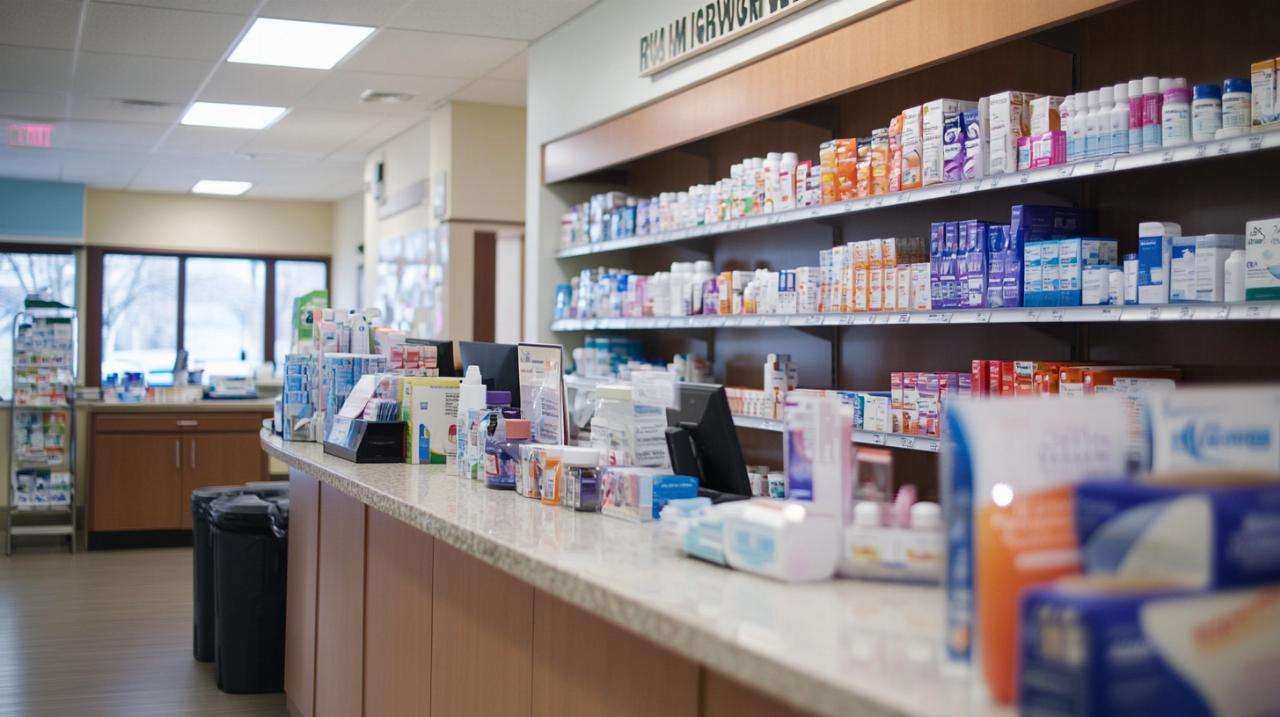
There are specific scenarios in which reaching for a temporary dental filling kit from your local chemist makes practical sense. These situations often involve unexpected dental mishaps that occur outside of regular surgery hours, leaving you in need of immediate relief. Understanding when to use these products and when to seek urgent professional care is key to managing your dental health effectively. While temporary kits can provide comfort and protection, they should never be seen as a long-term fix or a way to avoid a visit to the dentist altogether.
Common dental situations requiring emergency relief
Temporary dental filling kits are particularly useful for a range of common dental situations that can cause discomfort or sensitivity. Lost fillings are among the most frequent reasons people turn to these products, as a missing filling leaves the tooth’s inner layers exposed to temperature changes and bacteria. Chipped or cracked teeth can also benefit from the protective barrier provided by a temporary filling, especially if the damage has created a sharp edge that irritates the tongue or cheek. Loose crowns present another scenario where a temporary dental cement can help hold the crown in place until you can see your dentist for a permanent re-cementation. Small cavities that have started to cause sensitivity but have not yet been diagnosed or treated by a professional can also be temporarily managed with these kits, providing a layer of protection while you wait for an appointment. Additionally, these products are invaluable during bank holidays, after-hours emergencies, or when you are in remote locations with limited access to dental care. They offer peace of mind by allowing you to manage discomfort and prevent further damage until you can receive proper dental treatment.
Recognising when professional dental care cannot wait
While temporary dental filling kits are convenient, there are situations where their use is inappropriate, and professional care is urgently needed. Severe pain that does not subside after applying a temporary filling is a red flag indicating that the issue may be more serious than a simple lost filling or minor chip. Swelling around the gums or face, persistent bleeding, or the presence of pus are signs of infection that require immediate attention from a dentist or even a visit to an emergency dental service. If you experience sensitivity to hot or cold temperatures that worsens over time, or if you notice a foul taste or smell coming from the affected area, these are indications that the underlying problem is progressing and needs professional intervention. Extensive damage to a tooth, such as a large fracture or a deeply decayed cavity, cannot be adequately managed with an over-the-counter product. In these cases, attempting to use a temporary filling kit may mask the severity of the problem and delay necessary treatment, potentially leading to complications such as abscesses or the loss of the tooth. The National Health Service recommends dental check-ups every two years to catch problems early, and if you are experiencing any of the symptoms mentioned, it is crucial to contact your dentist or an emergency dental service as soon as possible rather than relying solely on a temporary fix from the chemist.